
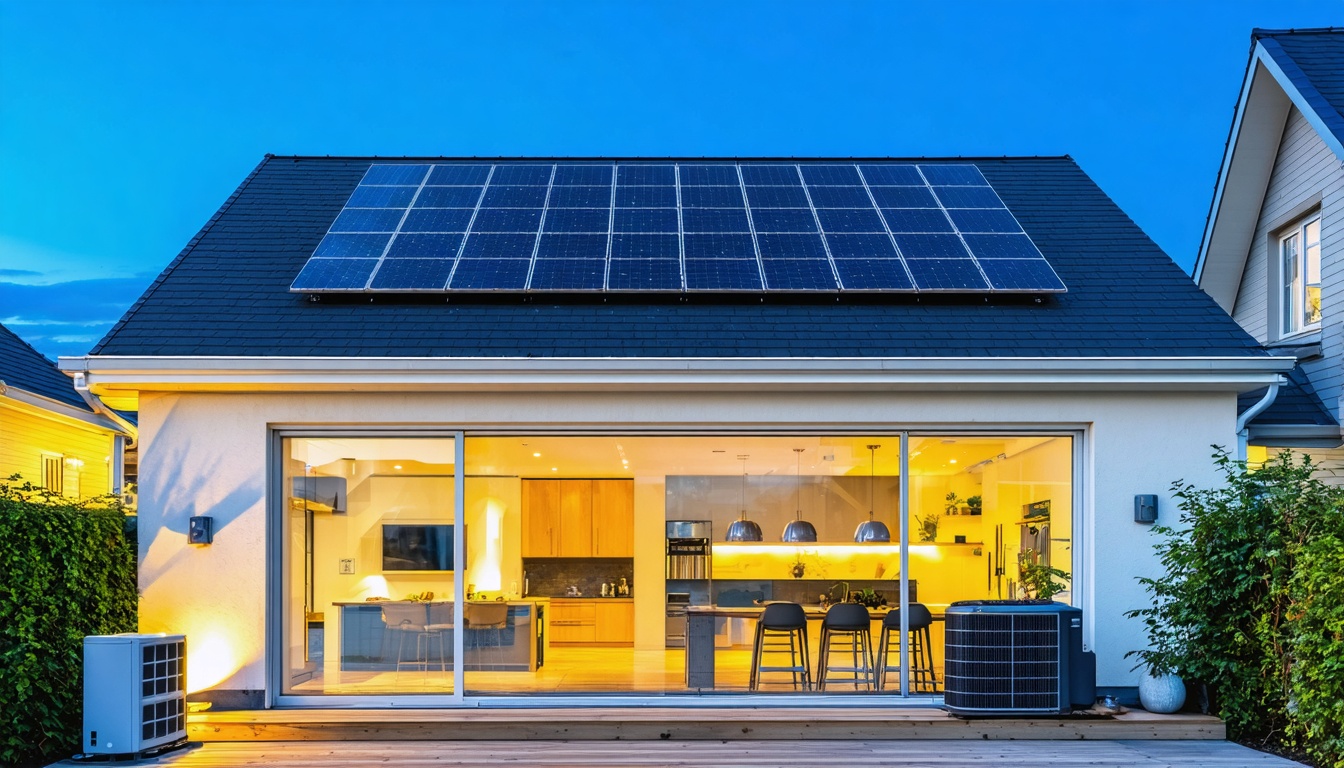
To optimize the benefits of solar power, enhancing your home's energy efficiency is crucial. By improving efficiency, homeowners can further reduce utility expenses and increase the overall return on their solar investment. This approach involves not only the installation of solar panels but also implementing various measures throughout the home that complement solar efficiency. There are several strategies that can lead to improved energy use. For instance, upgrading insulation can minimize heat loss in winter and reduce the need for heating, while also mitigating heat gain in summer, subsequently lowering cooling costs. Additionally, utilizing energy-efficient appliances can decrease electricity consumption, contributing to better alignment with solar energy production. Installing programmable thermostats can optimize heating and cooling schedules based on occupancy patterns, creating further efficiencies. Moreover, sealing leaks around windows and doors can improve indoor climate control, promoting a more effective use of both solar and grid energy. In conclusion, enhancing home energy efficiency is a strategic approach that can significantly benefit solar power systems. Homeowners are encouraged to consider these improvements, as they can lead to substantial long-term savings and more effective use of renewable energy.
Before considering an investment in solar panels, it is important to comprehend the interconnection between energy efficiency improvements and your home's energy needs. Upgrading to energy-efficient appliances, installing heat pumps, utilizing efficient water pumping systems, improving window performance, and implementing smart thermostat technologies can contribute to lower energy bills and a smaller carbon footprint.
Additionally, measures such as enhanced insulation or the installation of storm windows can reduce heat loss and improve indoor comfort.
Implementing these energy efficiency measures is crucial for ensuring that solar panels and water heaters are correctly sized for your home. Proper sizing can lead to reduced initial costs for solar investments.
In New York and across the country, various programs and incentives exist to assist homeowners and businesses in maximizing the benefits of sustainable energy technologies, including solar energy services. Learn more about these opportunities at Solar Energy Services in New York, which can augment the overall value of investments in energy efficiency.
Evaluating a home’s energy performance is crucial for determining its efficiency. Conducting a detailed energy audit can identify areas where energy loss occurs, such as heat leaks or excessive electricity consumption. This process often points to specific upgrades that may enhance the home’s overall energy efficiency. Common recommendations from these audits typically include upgrading outdated appliances, installing smart thermostats, and assessing the condition of windows and water heaters, which together can help reduce electricity costs.
In New York, there are several programs and incentives available to promote the adoption of energy-efficient technologies, including heat pumps. It is advisable to engage certified assessors through the Residential Energy Services Network to ensure that evaluations and recommendations are made with a professional standard.
Improving energy efficiency can yield financial benefits, such as lower utility bills, and may also increase a property’s market value. Furthermore, enhancing a home’s energy performance contributes positively to environmental sustainability.
The incorporation of solar panels into an energy-efficient home can further enhance both economic returns and ecological impact.
Solar panels can help reduce electricity consumption; however, it is crucial to address potential energy loss caused by gaps and inadequate insulation within a home.
Implementing effective sealing and insulation strategies is vital for enhancing energy efficiency. Key areas that should be prioritized include air sealing, improving attic insulation, and ensuring proper insulation around windows and hot water heaters. Research indicates that these measures can reduce heat loss by about 10%.
This reduction may lead to lower electricity bills and a smaller carbon footprint.
Various programs, such as Comfort Home and EmPower+, provide support for these efficiency upgrades, including financial incentives and resources aimed at improving home performance.
In addition to energy savings, better insulation can result in an increase in property value and may enhance indoor air quality, which is beneficial for both residential and commercial environments.
Homeowners and businesses, especially in regions like New York, should assess the feasibility of these upgrades as they can be considered a sensible investment in energy efficiency.
For those seeking to begin this process, it is advisable to seek professional guidance for effective implementation.
Upgrading doors and windows is an important step towards improving energy efficiency in homes, especially for properties utilizing solar power systems. Energy-efficient windows and insulated doors are designed to minimize heat loss, which can lead to reduced electricity costs and better overall performance of solar energy installations.
Recent technological advancements have resulted in a variety of efficiency improvements, including storm windows and double-pane glass, which are particularly relevant for areas like New York with distinct climate challenges.
Aside from potential immediate energy savings, these upgrades can also enhance property value, enhance indoor air quality, and increase comfort levels within the home.
Various tax incentives and programs are available nationwide, encouraging homeowners to adopt energy-efficient upgrades and harness solar energy effectively. These steps contribute to the development of sustainable homes and businesses, aiding in the reduction of dependence on fossil fuels.
Upgrading heating and cooling systems is a practical consideration for homeowners looking to optimize the use of solar power. The implementation of heat pumps and smart thermostats, complemented by various efficiency enhancements, can effectively reduce heat loss and decrease energy consumption within residential properties.
In New York, programs such as NYS Clean Heat and Green Bank provide financial incentives that may lead to notable savings on energy bills and improvements to home appliances.
Implementing efficient heating and cooling solutions reduces reliance on electricity drawn from solar panels, while also potentially increasing home value and comfort. Key improvements, including the installation of storm windows and adequate insulation, significantly contribute to overall energy efficiency.
Additionally, these upgrades align with broader environmental objectives by aiding in the reduction of the carbon footprint associated with residential energy use.
Addressing water heating in conjunction with conservation measures can improve the efficiency of solar power systems. Upgrading to Heat Pump Water Heaters or other high-efficiency units may result in lowered electricity costs and a reduced reliance on fossil fuels.
Recent developments in this field include the integration of low-flow fixtures and WaterSense-labeled products, which meet standards established by the Environmental Protection Agency (EPA). Implementing these efficiency upgrades has the potential to decrease overall energy consumption, enhance property value, and lower carbon emissions.
Additionally, it is relevant to explore state incentives and programs that may be available, especially for homeowners in New York and other areas across the United States.
By combining these upgrades with solar energy systems, both residential and commercial entities can realize significant long-term benefits related to sustainability and cost-efficiency.
In conclusion, aligning water heating improvements with solar power technologies can contribute to increased energy efficiency and promote environmental stewardship.
Implementing energy-efficient appliances and modern lighting solutions can significantly decrease a household's energy consumption and enhance the performance of solar power systems. By upgrading to high-efficiency appliances, such as Heat Pump Water Heaters, and transitioning to LED lighting, households can realize notable reductions in electricity usage. This increased efficiency capitalizes on the benefits provided by solar panels, resulting in a more effective overall energy upgrade.
Additionally, the installation of Smart Thermostats can lead to further energy savings by optimizing heating and cooling systems based on actual usage patterns. Such technological advancements not only support energy conservation efforts but also help mitigate heat loss, thereby improving indoor air quality and reducing utility expenses.
In the United States, including New York, various programs and incentives are available to help offset the costs associated with adopting these energy-efficient solutions.
The integration of efficient appliances and lighting is integral to building sustainable homes and businesses, contributing to a lower carbon footprint and less dependence on fossil fuels. These strategies are in line with the broader objectives of promoting energy sustainability and economic efficiency.
Integrating battery storage with solar panels improves energy management in residential environments by allowing homeowners to store excess solar energy for later use. This capability can enhance energy efficiency and reduce reliance on fossil fuels.
Additionally, battery storage offers a measure of energy security, providing backup power for essential appliances and water heaters during outages, which helps maintain indoor comfort.
From a financial perspective, battery storage can also lower electricity costs. Homeowners can utilize stored energy during peak demand times when electricity prices are higher. Recent advancements in technologies such as heat pumps and smart thermostats are increasingly being integrated into solar energy systems, particularly in New York and other parts of the United States.
The use of battery storage not only increases the effectiveness of solar panel systems but also promotes sustainability efforts for both homes and businesses. By enabling the use of renewable energy, it plays a role in reducing carbon emissions and aligns with broader environmental objectives.
However, prospective users should assess several factors, including installation costs, incentives available, and compatibility with existing systems, to evaluate the overall advantages of adopting this technology.
Investing in home energy efficiency improvements and solar power involves substantial upfront costs; however, several financial incentives and rebates are available to help offset these expenses. Federal tax credits permit a deduction of 30% of the installed cost of solar panels, which can significantly reduce the financial burden for homeowners.
In addition to solar power, upgrading to energy-efficient systems, such as heat pumps, heat pump water heaters, and modern appliances, as well as installing storm windows, can contribute to lower electricity bills and diminished heat loss.
In New York, the New York State Energy Research and Development Authority (NYSERDA) facilitates the adoption of sustainable technologies via various programs. These initiatives not only aim to enhance indoor air quality but also provide potential long-term financial savings for homeowners.
Furthermore, the Inflation Reduction Act and programs from the Green Bank offer additional incentives to encourage both residential and commercial entities to adopt solar energy and reduce their carbon emissions.
These financial incentives play a crucial role in advancing the transition toward sustainable energy practices. However, it is important for potential investors to carefully review the specific requirements and benefits associated with each program before making investment decisions.
When planning home improvements compatible with solar power, it is beneficial to begin with a professional home energy audit. This assessment identifies upgrades that can lead to notable improvements in energy efficiency. Key focus areas include enhancing insulation, improving air sealing, and installing energy-efficient windows, which can help reduce heat loss and improve indoor air quality.
Further energy efficiency can be achieved by upgrading to Energy Star-rated appliances and incorporating a smart thermostat or heat pumps. These enhancements can lower electricity bills and decrease the overall carbon footprint.
Moreover, it is essential to explore available programs, incentives, and tax credits, such as the 30% federal solar tax credit in the United States, applicable to select energy-efficient upgrades like heat pump water heaters.
Investing in energy-efficient systems offers environmental benefits and can increase the value of homes while reducing operational costs over time. Implementing these measures can yield both financial benefits and support environmental sustainability.
Improving a home’s energy efficiency is a strategic approach to enhance the effectiveness of solar power investments. By focusing on key areas such as insulation, window upgrades, appliance modernization, and the integration of smart technology, homeowners can significantly reduce energy waste. Insulation plays a critical role in maintaining a stable indoor temperature, thereby decreasing the reliance on heating and cooling systems. Upgraded windows can minimize heat loss in the winter and reduce heat gain in the summer, further reducing energy consumption. Modern appliances typically operate more efficiently than older models, contributing to lower energy usage over time. The incorporation of smart technology can optimize energy management within the home, allowing for real-time monitoring and control of energy consumption. Additionally, implementing battery storage solutions can enable homeowners to store excess solar energy for later use, improving overall energy independence and efficiency. Homeowners may also benefit from exploring available incentives, such as tax credits or rebates, to offset the costs associated with these improvements. By enhancing energy efficiency, homeowners can reduce their utility bills and contribute to a more sustainable energy future, characterized by reduced greenhouse gas emissions and a decreased reliance on non-renewable energy sources.